
Table of Contents
Introduction
Keto Cooking for Ramadan is a month of spiritual reflection, discipline, and mindful eating, but it can also be a challenge if you follow a ketogenic or low carb lifestyle.
Balancing your nutritional needs while fasting from dawn until sunset requires careful planning. This is where keto cooking for Ramadan comes in a practical and effective way to stay energized, satisfied, and on track with your ketogenic goals without feeling deprived or lethargic during the long fasting hours.
The key to successful fasting on a keto diet is choosing meals that provide sustained energy. High fat, moderate protein, and low carb foods allow your body to burn fat efficiently while keeping hunger at bay.
Instead of relying on traditional high carb suhoor or iftar meals that cause energy crashes, keto meals help you maintain steady blood sugar levels, improved focus, and a more comfortable fasting experience.
In this guide, you will discover 15 quick and healthy keto recipes designed specifically for Ramadan. From egg muffins and avocado smoothies for suhoor to garlic butter chicken and keto soups for iftar, these meals are easy to prepare, delicious, and fully compatible with a low carb lifestyle.
Beyond recipes, this article provides practical tips to plan your keto meals for suhoor and iftar, avoid common mistakes, and stay hydrated.
Whether you are new to keto or already experienced, following this guide will make fasting easier, help you enjoy flavorful meals, and ensure that you maintain your nutritional goals throughout Ramadan.
By the end of this article, you’ll have a complete toolkit for keto cooking during Ramadan meal ideas, recipes, meal prep strategies, and expert tips allowing you to focus on both your spiritual practices and your health.
Why Keto Cooking for Ramadan Works Well

Fasting naturally changes the way your body uses energy. Instead of constant meals, you rely on stored fuel for long periods. A ketogenic approach complements this process by encouraging your body to burn fat efficiently.
When you build your meals around nutrient dense ingredients, fasting becomes easier to manage. Many people notice reduced cravings and more stable energy levels when they follow keto during Ramadan.
Benefits of Keto During Ramadan
Stable Energy Throughout the Day
High carbohydrate meals often cause rapid spikes and drops in blood sugar. These fluctuations can make fasting feel harder than it needs to be. With keto, your body uses fat as a steady energy source, helping you avoid sudden hunger and fatigue.
Reduced Hunger
Meals rich in healthy fats and protein digest more slowly than high carb foods. As a result, you stay full longer and experience fewer cravings.
Better Portion Control
Traditional Ramadan meals sometimes include large amounts of bread, rice, and sweets, which can encourage overeating. Keto meals focus on nutrient dense ingredients that help you feel satisfied with moderate portions.
Support for Weight Management
Balanced keto meals help you stay consistent without extreme dieting, supporting fat loss while preserving muscle mass.
Foods to Focus on for Keto Cooking Ramadan Meals
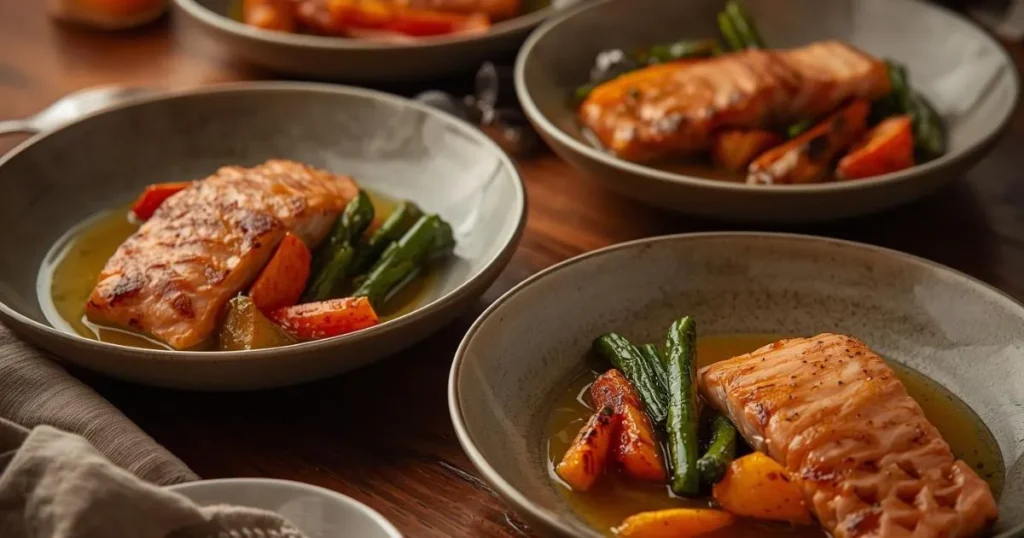
Successful keto cooking for Ramadan begins with choosing the right ingredients. Your meals should combine healthy fats, quality protein, and low carb vegetables.
Healthy Fats
- Olive oil
- Butter or ghee
- Avocados
- Coconut oil
- Nuts and seeds
Protein Sources
- Eggs
- Chicken
- Beef
- Fish
- Turkey
- Cheese
- Greek yogurt (unsweetened)
Low Carb Vegetables
- Spinach
- Zucchini
- Cucumbers
- Lettuce
- Cauliflower
- Broccoli
- Bell peppers
Essential Tips for Keto Cooking During Ramadan
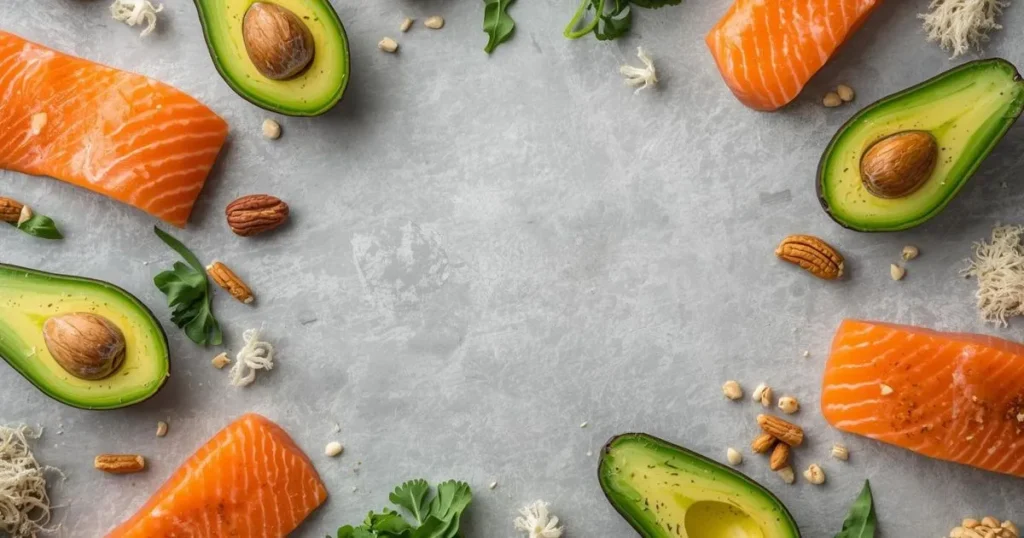
Choose High Fat, Low Carb Ingredients
Each meal should contain enough fat to support long fasting hours. A balanced keto plate often includes:
- A protein source
- Healthy fats
- Low carb vegetables
Examples:
- Grilled chicken with olive oil and salad
- Eggs cooked in butter with avocado
- Salmon with roasted vegetables
Stay Hydrated During Fasting
Hydration is key to comfort during fasting. Drink water consistently between iftar and suhoor, eat water rich vegetables, and avoid sugary drinks.
Prepare Meals in Advance
Batch cooking proteins, chopping vegetables ahead, and storing ready to eat meals save time and prevent carb heavy temptations.
1. Keto Cooking Egg Muffins for Suhoor
Ingredients: Eggs, cheese, spinach, olive oil, salt, pepper
Instructions:
- Preheat oven to 180°C (350°F).
- Beat eggs, mix in spinach and cheese.
- Pour into muffin molds.
- Bake for 20 minutes.
Why it works: Provides protein and fat to keep you full for hours.
2. Avocado Chicken Sala
Ingredients: Cooked chicken, avocado, olive oil, lemon juice, salt, pepper
Instructions: Chop chicken and avocado, mix with olive oil and lemon juice, season to taste.
Why it works: Combines protein and healthy fat for steady energy.
3. Keto Cooking Chicken Soup
Ingredients: Chicken breast, zucchini, olive oil, garlic, salt, pepper
Instructions: Boil chicken, add vegetables, simmer 15 minutes, add olive oil before serving.
Why it works: Gentle on digestion and hydrating after fasting.
4. Grilled Salmon with Olive Oil
Ingredients: Salmon fillets, olive oil, salt, pepper
Instructions: Season salmon, grill 8–10 minutes, drizzle with olive oil.
Why it works: Rich in omega-3 fats and protein.
5. Cheese Omelet Wrap
Ingredients: Eggs, cheese, butter
Instructions: Cook eggs in butter, add cheese, fold into a wrap.
Why it works: Quick, protein-rich, and filling.
6. Keto Zucchini Stir Fry
Heat olive oil and cook zucchini with garlic until tender. Low carb, fiber rich, and filling.
7. Garlic Butter Chicken
Cook chicken thighs in butter and garlic. Protein + fat keeps you satisfied for iftar.
8. Keto Yogurt Bowl
Unsweetened Greek yogurt topped with nuts and chia seeds. Great for suhoor.
9. Low Carb Cauliflower Rice
Sauté grated cauliflower in olive oil. Replace rice without adding carbs.
10. Keto Tuna Salad
Mix canned tuna, avocado, olive oil, lemon juice, and seasoning. No cook, protein rich meal
11. Egg Salad Lettuce Wraps
Hard boiled eggs mixed with mayonnaise, spooned into lettuce leaves. Low carb finger food.
12. Creamy Chicken Skillet
Cook chicken with spinach, garlic, and cream. Comforting, nutrient rich iftar meal.
13. Keto Beef Stir Fry
Stir fried beef and broccoli flavored with garlic and ginger. Beef and broccoli stir fried with garlic and ginger. Quick, filling, and keto friendly.
14. Avocado Smoothie
Blend avocado, unsweetened almond milk, ice, and optional chia seeds. Great for suhoor.
15. Keto Nuts Energy Bowl
Mixed nuts, chia seeds, and unsweetened coconut. Quick snack for energy between meals.
Easy Keto Suhoor Ideas
- Egg muffins with spinach & cheese
- Avocado smoothie with chia seeds
- Keto yogurt bowl with nuts
- Egg salad lettuce wraps
- Keto nuts energy bowl
Quick Keto Iftar Recipes
- Garlic butter chicken with zucchini
- Grilled salmon with olive oil
- Keto chicken soup
- Keto tuna salad
- Creamy chicken skillet
Common Mistakes in Keto Cooking for Ramadan
- Skipping suhoor
- Not enough healthy fat
- Hidden carbs in sauces or dressings
- Overeating at iftar
- Not staying hydrated
7 Day Keto Ramadan Meal Plan (Sample)
| Day | Suhoor | Iftar | Snack |
|---|---|---|---|
| 1 | Egg muffins + avocado | Garlic butter chicken + zucchini | Nuts energy bowl |
| 2 | Keto yogurt bowl | Grilled salmon + salad | Avocado smoothie |
| 3 | Avocado smoothie + chia | Keto chicken soup | Nuts energy bowl |
| 4 | Egg salad wraps | Creamy chicken skillet + broccoli | Greek yogurt |
| 5 | Nuts energy bowl | Beef stir fry + cauliflower rice | Avocado smoothie |
| 6 | Egg muffins + cheese | Keto tuna salad | Nuts energy bowl |
| 7 | Keto yogurt bowl | Garlic butter chicken + spinach | Chia seed pudding |
FAQs
Q1: Can I maintain ketosis while fasting during Ramadan?
Yes, by focusing on healthy fats, protein, and low carb vegetables.
Q2: What are quick keto meals for Ramadan?
Egg muffins, avocado chicken salad, garlic butter chicken, keto yogurt bowls, and cauliflower rice.
Q3: How do I avoid hunger during fasting?
High fat, high protein meals at suhoor help you stay full longer.
Q4: Can I break my fast with keto foods?
Yes, start with light keto options such as soup or salad, then enjoy your main meal.
Q5: How can I stay hydrated on keto during Ramadan?
Drink water consistently between iftar and suhoor, eat water rich vegetables, and consider herbal teas.
Conclusion
Keto cooking for Ramadan provides a smart and practical approach to fasting while maintaining a low carb lifestyle. By focusing on high quality fats, moderate protein, and nutrient rich low carb vegetables, you can stay energized, manage hunger, and enjoy flavorful meals throughout both suhoor and iftar.
Following a keto plan during Ramadan doesn’t have to be complicated with the right strategies, preparation, and recipes, you can create meals that are both satisfying and nutritious.
The 15 recipes shared in this guide from egg muffins and avocado smoothies for suhoor to garlic butter chicken and creamy chicken skillet for iftar are designed to be quick, easy, and packed with flavor.
By incorporating these meals into your Ramadan routine, you can reduce the temptation of high carb dishes, maintain steady energy levels throughout the day, and enjoy fasting without feeling deprived.
Planning ahead is key. Preparing meals in advance, balancing your macronutrients, and staying hydrated will help you fully experience the benefits of keto cooking for Ramadan. Not only will you support your ketogenic goals, but you’ll also enhance your overall well being during this special month.
Finally, remember that Ramadan is not only about nutrition but also about mindfulness and intention. Using keto-friendly meals to support your fasting can help you focus more on spiritual reflection, prayer, and family time, without worrying about energy crashes or unhealthy eating habits.
Start experimenting with these recipes today and discover how keto cooking for Ramadan can transform your fasting experience. Share your favorite meals, tips, or creative adaptations in the comments below, and connect with our community for more low carb, delicious Ramadan inspiration.
Call to Action
- Try these 15 recipes this Ramadan and feel the difference in your energy and satiety.
- Share your favorite meals in the comments or on social media.
- Subscribe for more keto friendly Ramadan meal plans and tips.