
Table of Contents
💛 introduction Tempura Sauce Recipe
Opening: A Small Kitchen Victory You’ll Want to Repeat
There’s a quiet kind of satisfaction that comes from recreating a flavor you once thought only belonged in a restaurant. You know that moment the one where everything just clicks.
You take a piece of freshly fried Tempura, still warm and perfectly crisp, dip it gently into a light, savory sauce, and suddenly… it tastes exactly how you remember. Not close. Not “good enough.” But right. Balanced, delicate, and deeply comforting.
That moment feels small, but it isn’t. It’s the moment you realize you don’t have to rely on takeout or special occasions to enjoy those flavors. You can create them yourself, right where you are.
Maybe you’ve been there before craving something light yet satisfying, something that doesn’t feel heavy or overly complicated.
You want flavor, but you also want simplicity. You want something that fits into your day, not something that takes it over. And that’s exactly where this tempura sauce recipe comes in.
What makes this sauce so special isn’t just its taste it’s how effortlessly it comes together. No long prep. No hard-to-find ingredients. No guesswork. Just a few simple components working in harmony to create that unmistakable umami depth you associate with great Japanese cooking.
And the best part? You’re in control of everything.
You decide how strong the flavor is.
You adjust the balance between sweet and savory.
You make it lighter, richer, or exactly the way you like it.
In just five minutes, you’re not just making a sauce you’re creating an experience. One that turns an ordinary meal into something memorable, without adding stress or complexity.
So if you’ve ever thought, “I wish I could make that at home” this is your starting point.
Because once you get this right (and you will), it won’t feel like a one time success. It’ll become something you come back to again and again.
🥢 What Is Tempura Sauce Recipe? (Tentsuyu Explained)
Before you start, it helps to understand what makes this sauce so special.
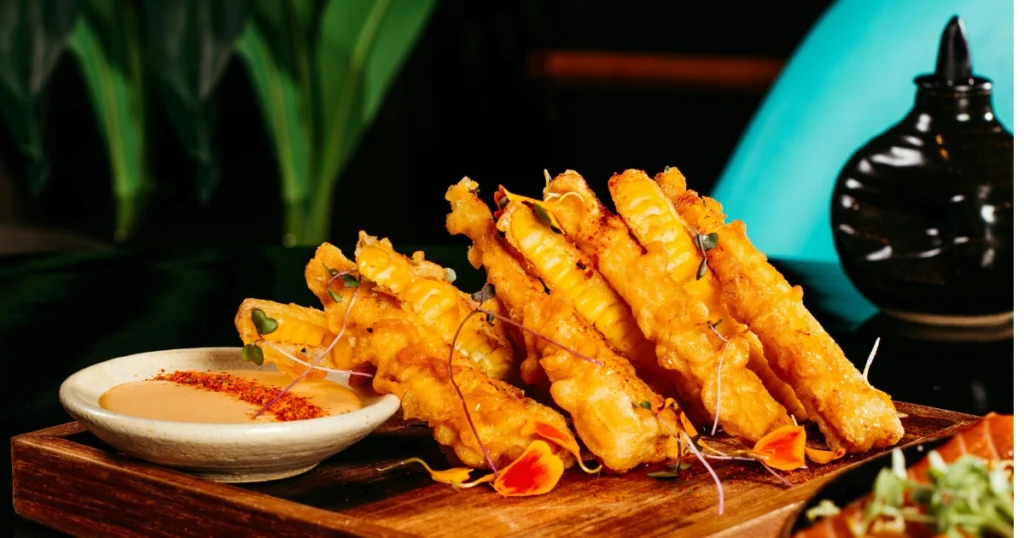
Traditionally known as Tentsuyu, tempura sauce is a light yet deeply flavorful dipping sauce served alongside tempura in Japanese cuisine. It’s not heavy or overly rich instead, it’s designed to complement the crispiness of fried foods without overpowering them.
What gives it its signature taste?
At its core, the sauce balances three essential elements:
- Salty depth from Soy sauce
- Subtle sweetness from Mirin
- Umami richness from Dashi
This combination creates a clean, slightly sweet, and savory flavor that enhances rather than masks your food.
How is it different from other sauces?
Unlike thicker Asian sauces (like teriyaki), tempura sauce is:
- Lighter in texture
- Less sugary
- More delicate in flavor
It’s not meant to coat it’s meant to elevate.
⚡ Why You’ll Love This 5 Minute Tempura Sauce Recipe
If you’re short on time but still want big flavor, this recipe fits perfectly into your routine.
Here’s why it works so well for you:
- It’s incredibly fast – You can make it in less time than it takes to heat oil
- No complicated steps – Just combine, heat, and serve
- Uses simple ingredients – Nothing fancy required
- Customizable to your needs – Low sodium, sugar free, or even vegan
Most importantly, you stay in control. You adjust the flavor, the salt level, the sweetness everything.
🛒 Tempura Sauce Ingredients (Easy & Authentic List)
You don’t need a long shopping list. In fact, you might already have most of these ingredients in your kitchen.
📋 Ingredients Table
| Ingredient | Quantity | Purpose |
|---|---|---|
| Soy sauce | 2 tbsp | Adds saltiness and umami |
| Mirin | 2 tbsp | Provides gentle sweetness |
| Dashi | ½ cup | Builds depth and authentic flavor |
| Sugar (optional) | 1 tsp | Balances the sauce |
Ingredient Tips You’ll Appreciate
- No dashi? You can substitute with vegetable broth or even water + a pinch of seasoning
- Watching sodium? Use low-sodium soy sauce
- No mirin? A mix of sugar + rice vinegar can work in a pinch
Small adjustments make a big difference and this recipe is flexible enough to handle them.
👨🍳 How to Make Tempura Sauce Recipe in 5 Minutes (Step by Step)
This is where everything comes together quickly and effortlessly.
Step by step instructions:
- Pour the dashi into a small saucepan
- Add soy sauce and mirin
- Heat gently over medium low heat
- Stir occasionally (do not let it boil)
- Add sugar if you want a slightly sweeter finish
- Take it off the heat and allow it to cool a bit.
That’s it. No complicated techniques, no waiting.
Pro Tips for Best Results
- Keep the heat low – boiling can ruin the delicate flavor
- Taste before serving – adjust sweetness or saltiness
- Serve warm or room temperature – both work beautifully
Once you’ve made it once, you’ll realize how easy it is to repeat.
🔄 Variations and Substitutions
One of the best things about this tempura sauce recipe is how adaptable it is.
You can easily tweak it to match your needs:
- No dashi version
- Use vegetable broth or mushroom broth for umami
- Vegan option
- Stick with plant based broth and standard ingredients
- Gluten-free
- Swap soy sauce for tamari
- Low sugar or keto
- Skip sugar or use a sugar alternative
You don’t need to follow the recipe perfectly you just need to keep the balance.
🍤 What to Serve with Tempura Sauce Recipe
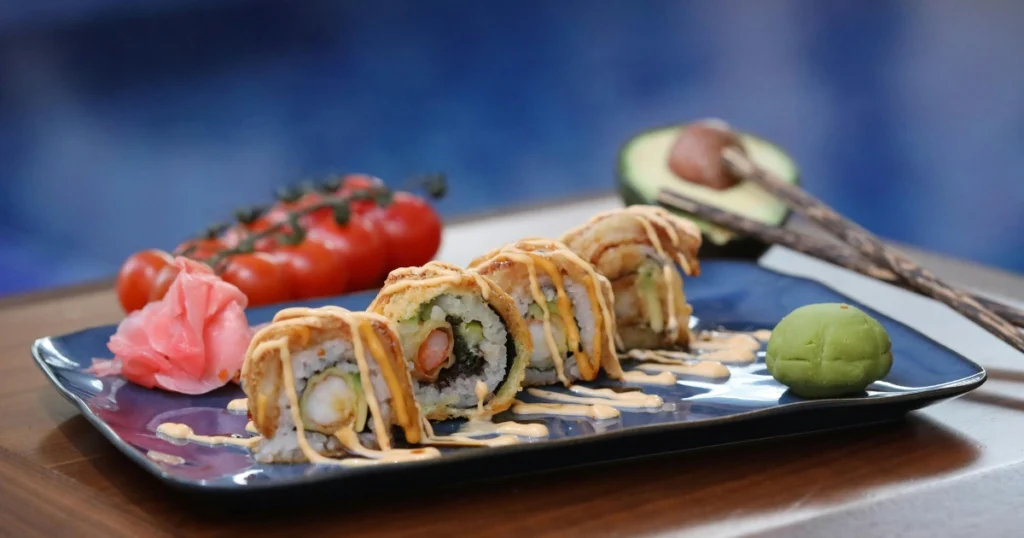
Once your sauce is ready, the possibilities open up.
Classic pairings:
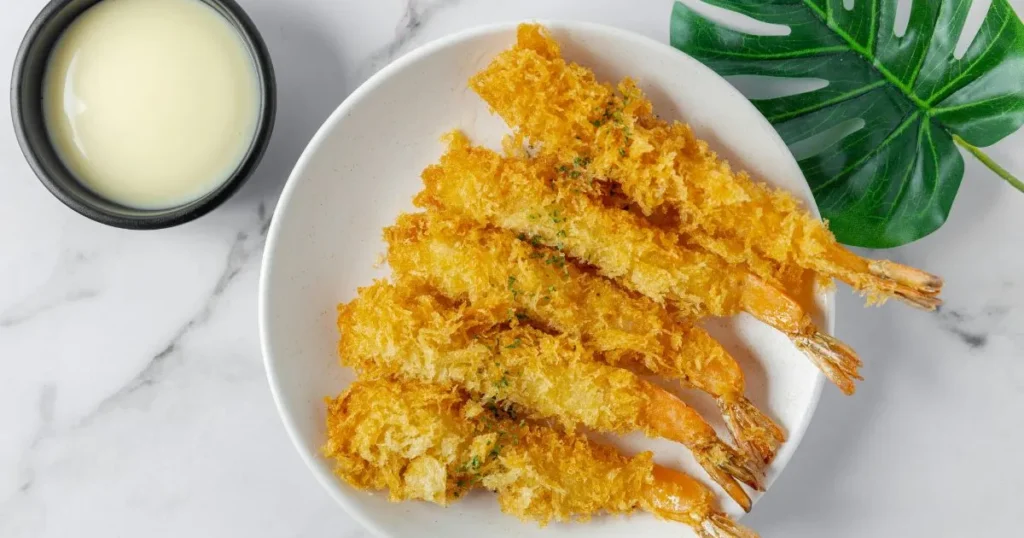
- Shrimp tempura
- Vegetable tempura (sweet potato, zucchini, eggplant)
Creative ways to use it:
- Drizzle over rice bowls
- Add to noodle dishes
- Use as a light dipping sauce for fried snacks
This isn’t just a tempura sauce it’s a versatile addition to your kitchen.
❗ Common Mistakes to Avoid
Even simple recipes can go wrong if you’re not careful. Here’s what to watch for:
Avoid these common issues:
- Too much soy sauce → overly salty result
- Skipping dashi → flat flavor
- Boiling the sauce → harsh taste
- Ignoring balance → too sweet or too bland
A good sauce is all about harmony. When everything is balanced, it just works.
🧊 Storage and Make Ahead Tips
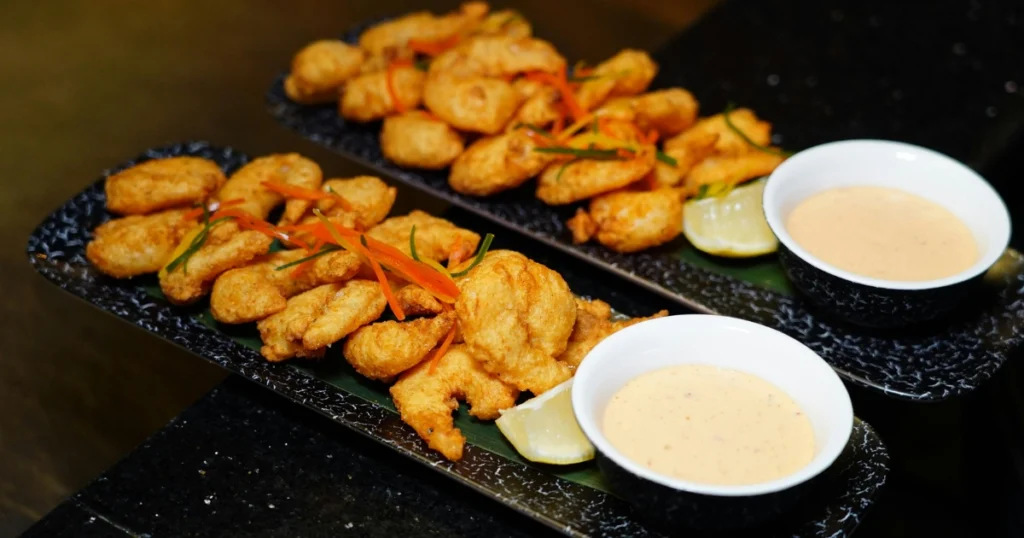
One of the best parts about this tempura sauce recipe is that it doesn’t just taste good fresh it also keeps well, making it perfect for planning ahead and saving time on busy days.
After preparing your sauce, let it cool slightly at room temperature before transferring it into a clean, airtight glass jar or container. This helps preserve its clean, balanced flavor and prevents any unwanted odors from affecting the taste.
🧺 How to store tempura sauce properly
- Store in an airtight container or glass jar
- Keep refrigerated at all times
- Best consumed within 3 to 4 days for optimal flavor
- Shake or stir lightly before serving if ingredients settle
⏳ Make ahead advantage
Preparing this sauce in advance can actually improve your cooking flow. Since the flavors from Soy sauce, Mirin, and Dashi blend more fully over time, you may even notice a slightly deeper, more rounded taste after a few hours in the fridge.
🔥 Reheating tips (if serving warm)
- Warm gently over low heat
- Avoid boiling to preserve delicate flavor balance
- Alternatively, let it sit at room temperature for 10–15 minutes before serving
💡 Pro tip
If you plan to serve Tempura for guests, make the sauce a few hours ahead. It saves time in the kitchen and allows you to focus on frying and presentation while still delivering full, authentic flavor at the table.
❓ Frequently Asked Questions
What is tempura sauce made of?
It typically includes soy sauce, mirin, and dashi, creating a balanced savory sweet flavor.
Can you make tempura sauce without dashi?
Yes, you can use vegetable broth or water with added seasoning for a similar effect.
Is tempura sauce healthy?
It’s relatively light compared to other sauces, and you can easily adjust sugar and sodium levels to suit your needs.
Related tempura sauce recipe
📝 Conclusion: Simple, Fast, and Worth It
n the end, what makes this tempura sauce recipe so valuable isn’t complexity it’s simplicity done right.
With just a few ingredients and a few minutes, you create something that carries real depth, balance, and authenticity, just like the versions served with Tempura in traditional settings.
What you’ve learned here is more than just a dipping sauce. You’ve seen how basic pantry staples like Soy sauce, Mirin, and Dashi can come together to create something refined and deeply satisfying without effort or long preparation.
And that’s the real takeaway: good food doesn’t need to be complicated to feel special.
Once you’ve made it yourself, you’ll notice how easily it fits into your cooking routine. It’s quick enough for busy days, yet flavorful enough to impress when you’re serving guests.و
You can keep it classic, adjust it to your taste, or build it into other meals but either way, it quietly becomes one of those small recipes you rely on more than you expect.
Now it’s your turn to bring it to life in your own kitchen. Try it once, taste it, and let it surprise you.
And if it becomes one of those recipes you keep coming back to, you’ll know exactly why.